Active & Adventure
Hiking around an historic destination: Beyond the trail
People often hear the word hiking and think of a grueling climb to a mountain peak just to say they did it. I look at it differently. To me, hiking around an historic destination is the most effective way to actually see it. You are moving at a human pace. You notice the way the stones were cut or how the air changes as you move through an ancient gate.
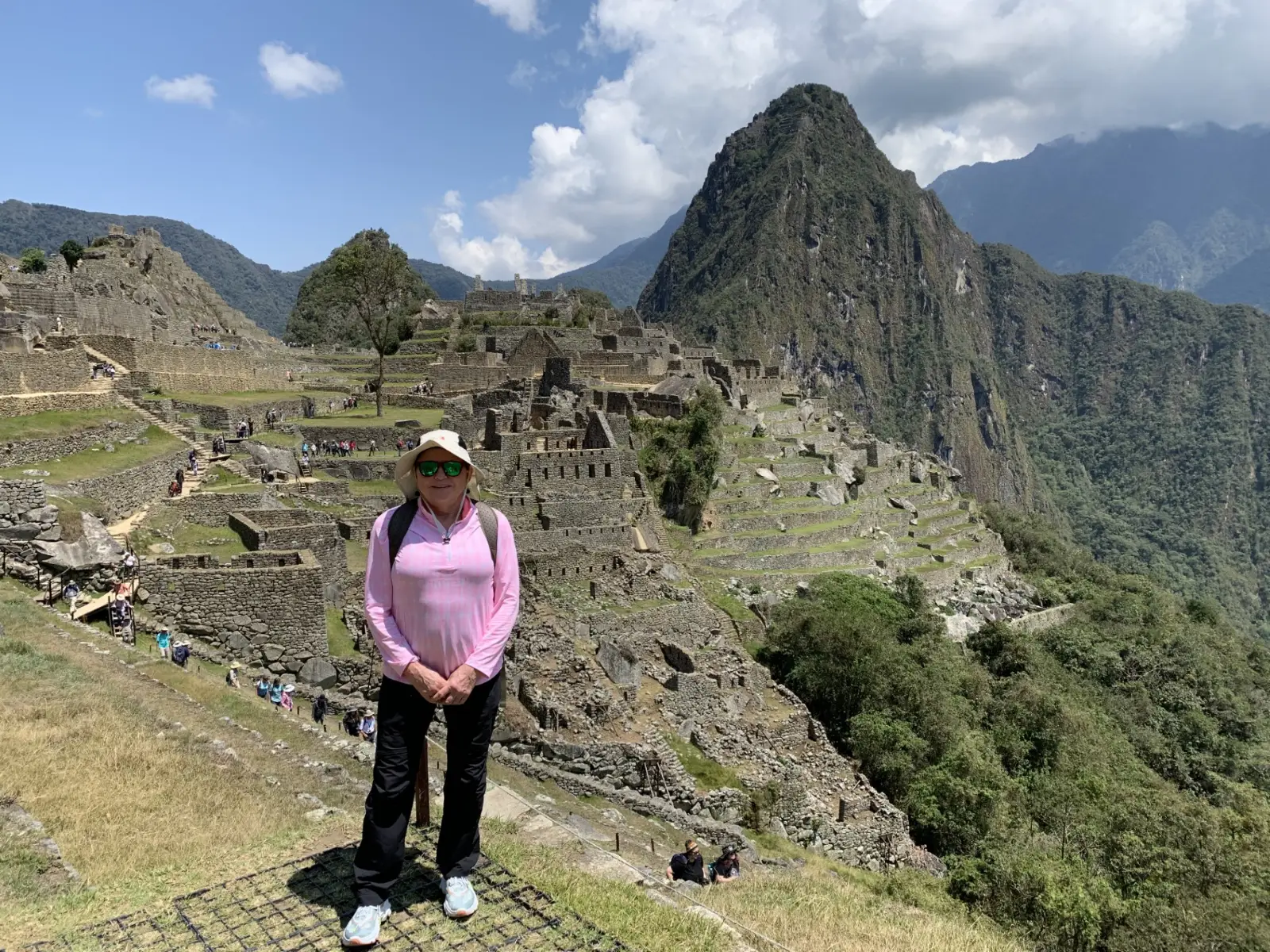
I realized this most clearly while exploring Machu Picchu in Peru. It was not just about the physical effort of the trail. It was about using my own two feet to discover every corner of the site. When you hike through history, you are not just a spectator. You are an active participant in the story of the place.
As an adventure travel agent in Michigan, I help people find that balance. You want to feel the burn in your legs in the morning, but you also want to understand what you are looking at by the afternoon.
Why hiking around an historic destination beats the bus
Most people arrive at famous sites on a large coach. They get out, take a photo, and get back on. They miss the texture of the land. When you choose to hike, you see the smaller details that motorized transport ignores.
In Peru, the trail is the destination. You see the agricultural terraces from angles that a quick glance from the entrance cannot provide. You feel the altitude and the humidity. It grounds you in the reality of how the Incas lived and worked.
This approach works for any historic site. Whether it is walking the ancient walls of a city in the Netherlands or navigating the ruins in the Caribbean, your boots on the ground change your perspective. It turns a sightseeing trip into a true adventure.
Scaling the adventure for every walker
One thing I have learned in my 24+ years of travel consultant experience with the last 9+ years here at Suncoast Travel, is that adventure is not one-size-fits-all. You do not need to be an elite athlete to enjoy hiking around an historic destination. You just need the right pace and the right gear.
I always remind my clients that adventure can be scaled to fit, not kept out of reach. You can take the steep, rugged path if that is how you want to feel on day three. Or, you can take the longer, flatter route that still lets you explore the ruins. Both are valid.
Choosing the right footwear
I still keep water shoes in my trunk because you never know when a trail will turn into a stream. For historic sites, the terrain is often uneven. Original stone paths are slippery when wet.
A sturdy pair of hiking boots with ankle support is usually my first recommendation. Do not break them out for the first time at the airport in Detroit Metro. Wear them around Southeast Michigan for a month first. However, depending on the destination, a good, comfortable pair of all purpose athletic shoes will also work out.
Managing the pace
History is meant to be absorbed, not sprinted through. I suggest building extra time into your itinerary for "discovery stops." These are the moments when you pull out your canteen, sit on a rock, and just look.
If you rush the hike, you miss the history. If you ignore the hike, you miss the connection to the land. My job is to find the middle ground where you get both.
Combining comfort with the challenge
Adventure does not mean suffering. It means coming home with a story. You can spend the day hiking around an historic destination and still sleep in a comfortable bed that night.
In my experience, the best trips pair a physical challenge with a high level of comfort afterward. Think of it as a reef in the morning and a hammock by three. After a day of navigating steep Incan stairs, a hot shower and a well-prepared meal are not luxuries. They are part of the recovery that lets you do it again the next day.
I use my certifications, like being a CTC Certified Travel Counselor, to vet the suppliers who understand this balance. A company like Backroads can provide the structure that allows for these active days without sacrificing the quality of your rest.
Practical tips for historic trails
When you are planning to hike around ancient sites, there are logistics that differ from a standard woods trail. Many of these locations have strict rules to protect the archaeology.
* Stick to the marked paths. It sounds simple, but it preserves the site for the next generation. * Carry your own water. Many destinations are remote and do not have plastic bottles for sale. * Check the permit requirements. Advance planning is essential for the Inca Trail, as permits often sell out months before departure. * Pack for four seasons. In the mountains or near the coast, the weather can flip in twenty minutes.
I often help clients in Plymouth, Northville and all of Southeast Michigan navigate these specific details. It is the practical side of travel that makes the energetic side possible.
Quick questions, straight answers
Do I need to be in peak physical shape to hike at Machu Picchu?
You should be comfortable walking several miles on uneven terrain, but you do not need to be a marathon runner. The key is acclimating to the altitude and taking the trail at a steady, manageable pace. Most active travelers between age 8 and 80 can find a route that works for their fitness level.
What is the best time of year for hiking around an historic destination?
It depends entirely on the location. For Peru, the dry season from May to October is best for clear views and stable trails. For European historic sites, the shoulder seasons of spring and fall offer cooler temperatures that make long walks much more pleasant than the heat of mid-July.
Can I combine a hiking trip with a more relaxing vacation?
I highly recommend doing exactly that. Many of my clients spend a week hiking through historic ruins and then head to a beach in the Caribbean or a quiet resort to recover. It gives you the best of both worlds: the satisfaction of a physical challenge and the rest you need before heading home.
What should I pack for a day of hiking near ancient ruins?
Beyond broken-in boots, bring a small backpack with a reusable water bottle, high-protein snacks, and sun protection. A lightweight, waterproof jacket is essential because weather at high altitudes or near the sea is unpredictable. I also suggest a portable power bank for your phone so you don't run out of battery for photos.
If you are ready to put your boots on a trail and see history from a new perspective, I would love to help you plan it. We can look at the options through our Travel Leaders network and find the right fit for your pace. Give Susan Balogh a call (734) 455-5810 and we will get you ready to hike your next destination. Schedule a free consultation.